
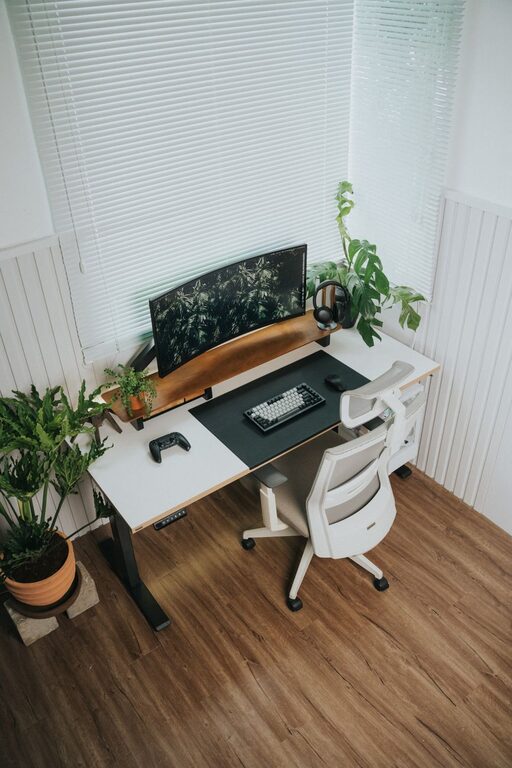
Working from home has become a common part of many people’s lives, and having a productive home office environment is key to staying focused and efficient. Whether you have a dedicated room or a small corner, creating a workspace that supports your work habits can make a big difference. Here are some practical tips to help you design a productive home office.
Choose the Right Location
Find a Quiet Space
Pick a location in your home that is as quiet as possible, away from heavy foot traffic or distractions. This helps minimize interruptions and creates a clear separation between work and home life.
Consider Natural Light
If possible, set up your office near a window. Natural light can reduce eye strain and improve mood throughout the day. When natural light is limited, invest in good quality lighting to keep your space bright and inviting.
Invest in Comfortable Furniture
Ergonomic Chair and Desk
Comfort matters when you spend long hours working. Choose an ergonomic chair that supports your lower back and encourages good posture. Pair it with a desk at the right height to avoid strain on your neck and shoulders.
Adjustable Setup
Consider adjustable desks or monitor stands to customize your workspace. Being able to switch between sitting and standing positions can improve comfort and productivity.
Organize Your Workspace
Declutter Regularly
Keep your desk clear of unnecessary items. A clutter-free workspace makes it easier to focus and feel organized.
Use Storage Solutions
Invest in shelves, filing cabinets, or drawer organizers to keep documents and supplies in order. Labeling boxes or folders can save time when you need to find something.
Minimize Distractions
Manage Noise Levels
If your home is noisy, use noise-canceling headphones or play soft background music to stay concentrated.
Limit Digital Interruptions
Turn off non-essential notifications on your computer and phone during work hours. Consider using apps that block distracting websites.
Establish a Routine
Set Work Hours
Define your start and end times and stick to them. This helps create boundaries and separates work from personal time.
Take Regular Breaks
Short breaks throughout the day can refresh your mind and reduce fatigue. Try techniques like the Pomodoro method—25 minutes of focused work followed by a 5-minute break.
Personalize Your Space
Add Inspiring Elements
Include a few personal touches such as photos, plants, or artwork that inspire you. Greenery not only adds color but can also improve air quality and mood.
Keep Essentials Within Reach
Place frequently used items nearby to avoid unnecessary movement, which can disrupt your flow.
Use Technology Wisely
Reliable Equipment
Ensure your computer, internet connection, and other tools are reliable and up to date. Technical issues can quickly interrupt productivity.
Backup Your Work
Regularly save your files and consider using cloud storage for easy access and security.
Stay Connected
Schedule Regular Check-Ins
Working from home can feel isolating. Set up regular meetings or calls with colleagues to stay engaged and collaborate effectively.
Join Online Communities
Participate in forums or groups related to your work to stay motivated and gain support.
Maintain Good Health Habits
Stay Hydrated and Eat Well
Keep a water bottle at your desk and plan healthy snacks to maintain energy levels.
Incorporate Movement
Stretch or take short walks during breaks to reduce physical strain and improve concentration.
—
Creating a productive home office involves thoughtful planning and small changes that add up to a better work experience. By choosing the right location, organizing your space, managing distractions, and maintaining healthy habits, you can make working from home both comfortable and efficient.