
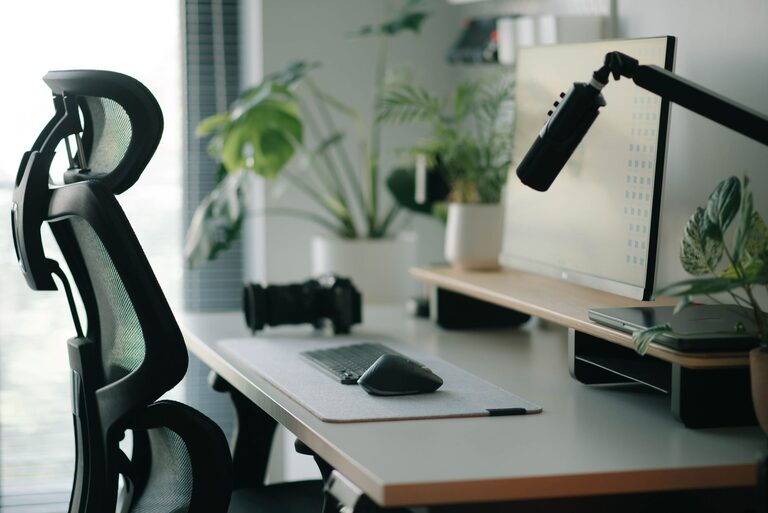
Creating a productive home office environment is essential for anyone working remotely or managing tasks from home. The right setup can improve focus, reduce distractions, and make your workday more enjoyable. Whether you have a dedicated room or a small corner, these tips will help you design a space that supports your productivity and well-being.
Choose the Right Location
Selecting the best spot for your home office lays the foundation for a productive work environment.
– Quiet and Low-Traffic Area: Find a space away from household noise to minimize interruptions.
– Natural Light: Position your desk near a window if possible; natural light helps boost mood and alertness.
– Comfortable Temperature: Ensure the space is well-ventilated and maintains a comfortable temperature year-round.
Invest in Ergonomic Furniture
Comfort is key to sustaining focus during long work hours.
– Adjustable Chair: Choose an ergonomic chair that supports your back and allows you to sit with proper posture.
– Desk Height: Your desk should allow your arms to rest comfortably at a 90-degree angle.
– Footrest: If your feet don’t touch the floor, use a footrest to improve circulation.
Organize Your Workspace
A clutter-free desk helps clear your mind and keeps you focused.
– Declutter Daily: Take a few minutes each day to tidy your desk.
– Storage Solutions: Use shelves, drawers, or boxes to keep supplies and paperwork organized.
– Essential Tools Only: Keep frequently used items within reach to minimize distractions.
Optimize Lighting
Proper lighting reduces eye strain and keeps you alert.
– Combine Natural and Artificial Light: Use a mix of daylight and adjustable lamps.
– Avoid Glare: Position screens to minimize reflections and use blinds or curtains if needed.
– Task Lighting: Use desk lamps for focused activities like reading or writing.
Minimize Distractions
Keeping interruptions to a minimum is essential for consistent productivity.
– Set Boundaries: Communicate your work hours to family or housemates.
– Use Noise-Canceling Headphones: If noise is unavoidable, headphones can help you concentrate.
– Turn Off Non-Essential Notifications: Limit alerts on your phone and computer during work time.
Incorporate Personal Touches
Creating a space that feels inspiring and comfortable can boost motivation.
– Add Plants: Indoor plants improve air quality and add a calming element.
– Display Meaningful Items: Photos, artwork, or objects that inspire you can enhance your mood.
– Choose Calming Colors: Soft, neutral tones often create a relaxing atmosphere conducive to focus.
Plan Your Workday Routine
Having a structured routine supports sustained productivity.
– Designate Work Hours: Set clear start and end times to balance work and personal life.
– Take Regular Breaks: Use techniques like the Pomodoro Method to maintain energy.
– Keep a To-Do List: Prioritize tasks daily to stay organized and focused.
Use Technology Wisely
The right tools can streamline your work and communication.
– Reliable Internet Connection: Ensure your internet speed supports your work needs.
– Use Productivity Apps: Calendar, task manager, and time-tracking apps help keep you on track.
– Ergonomic Accessories: Consider items like an external keyboard or mouse to improve comfort.
Maintain Your Space
A clean and well-maintained office promotes a healthy working environment.
– Regular Cleaning: Dust and wipe down surfaces weekly.
– Air Quality: Use air purifiers if necessary and open windows regularly.
– Cable Management: Organize cables to prevent tangling and hazards.
—
By thoughtfully designing your home office with these tips, you create an environment that not only supports productivity but also your overall well-being. Small changes can make a big difference in how effectively you work from home.