
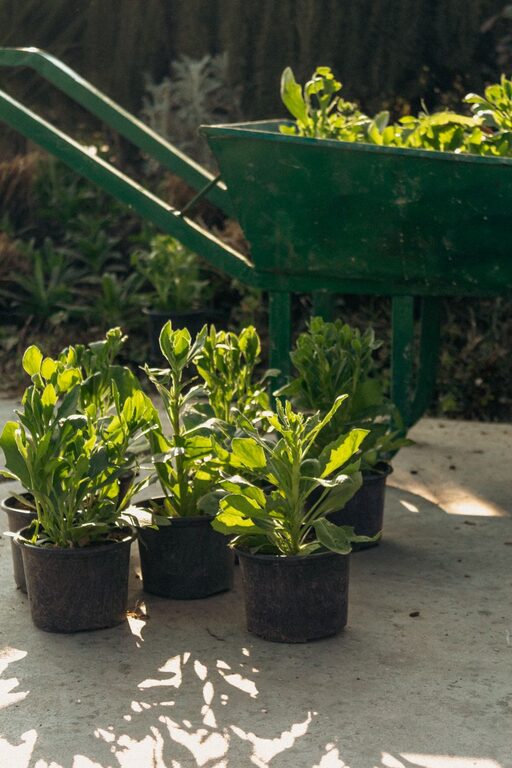
Creating a sustainable home garden doesn’t have to be expensive or complicated. With some thoughtful planning and resourceful techniques, you can grow a thriving garden that benefits both your wallet and the environment. Whether you’re an experienced gardener or just getting started, these budget-friendly tips will help you create a sustainable outdoor space that you’ll enjoy for years to come.
Why Choose a Sustainable Garden?
Sustainable gardening focuses on using natural resources wisely, reducing waste, and fostering biodiversity. It helps conserve water, improve soil health, and support local wildlife such as pollinators. Plus, growing your own vegetables, herbs, and flowers can reduce your carbon footprint by cutting down on store-bought produce and packaged goods.
Planning Your Garden on a Budget
1. Start Small and Grow Over Time
Don’t feel pressured to create a large garden all at once. Begin with a few easy-to-grow plants and gradually expand your space. This approach spreads out costs and labor, allowing you to learn as you go.
2. Choose the Right Location
Pick a spot that gets adequate sunlight for your plants—most vegetables and herbs require at least 6 hours daily. Consider factors like soil quality and drainage as well. Selecting the best location helps your plants thrive, reducing the need for costly fertilizers or fixes.
3. Design with Sustainability in Mind
Plan your garden layout to maximize space and minimize water use. Group plants with similar water needs together and consider incorporating companion planting to naturally deter pests.
Budget-Friendly Gardening Tips
4. Reuse and Repurpose Materials
Look around your home for containers, pots, or wood pallets that can be converted into garden beds or plant holders. Used bricks, stones, and old buckets can add character without costing a dime.
5. Start Plants from Seeds
Seeds are far cheaper than seedlings or mature plants. You can purchase seed packets for just a few dollars or trade seeds with friends and neighbors to try new varieties. Starting seeds indoors under a sunny window or with inexpensive grow lights lets you enjoy healthy plants at low cost.
6. Compost Your Kitchen and Yard Waste
Composting reduces household waste and provides rich, natural fertilizer for your garden. You can build a compost bin using inexpensive materials or simply set up a compost pile. Compost helps improve soil structure and feeds plants so you don’t have to rely on chemical fertilizers.
7. Collect Rainwater
Installing a rain barrel is an affordable way to collect water for your garden, reducing your water bills and conserving this precious resource. Alternatively, use buckets or large containers to catch runoff from your roof.
8. Choose Native and Drought-Tolerant Plants
Native plants are adapted to your local climate and soil conditions, often requiring less water and maintenance. Similarly, drought-tolerant plants make water conservation easier without sacrificing beauty or productivity.
9. Practice Mulching
Cover soil with mulch such as leaves, straw, or wood chips to retain moisture, suppress weeds, and enrich the soil. You can source mulch materials from garden centers, tree trimmers, or your own yard at low or no cost.
10. Use Natural Pest Control
Avoid expensive or harmful pesticides by encouraging beneficial insects like ladybugs and praying mantises. Companion planting, homemade sprays, and physical barriers (like row covers) help protect your plants naturally.
Maintenance Tips to Save Money
– Water Wisely: Water early in the morning or late in the evening to reduce evaporation. Use drip irrigation or soaker hoses for targeted watering.
– Prune Regularly: Keeping plants well-trimmed promotes air circulation and prevents disease.
– Rotate Crops: Changing plant locations each season helps reduce soil depletion and pest build-up.
– Save Seeds: Harvest seeds from your healthiest plants to reuse next year, cutting down on seed purchases.
Additional Resources
– Check out local extension services or community gardens for free workshops and advice.
– Explore online gardening forums and social media groups for seed swaps and plant giveaways.
– Visit your nearby library for gardening books and magazines instead of buying new ones.
Final Thoughts
Building a sustainable home garden on a budget is a rewarding project that combines creativity, environmental stewardship, and personal satisfaction. With simple steps like starting small, reusing materials, and focusing on native plants, you’ll grow a beautiful patch that’s good for you and the planet—without breaking the bank. Grab your gardening gloves and get started today!